Diagnostic Process
What Happens During a Diagnostic Business Review
A clear step by step process designed to identify the operational issues affecting growth, profitability, and stability in service businesses.
Schedule Diagnostic Business Review
Many business owners know something in their business is not working as well as it should, but they’re unsure where the problem originates. The Diagnostic Business Review helps identify operational gaps that affect performance.
The goal is to examine how the business currently generates leads, manages operations, and maintains profitability.
STEP 1 — Initial Business Overview
The review begins with a discussion about the current state of the business.
- Current services offered
- Company size and team structure
- Typical types of jobs or projects
- Growth goals for the business
This step helps create a clear picture of how the company currently operates.
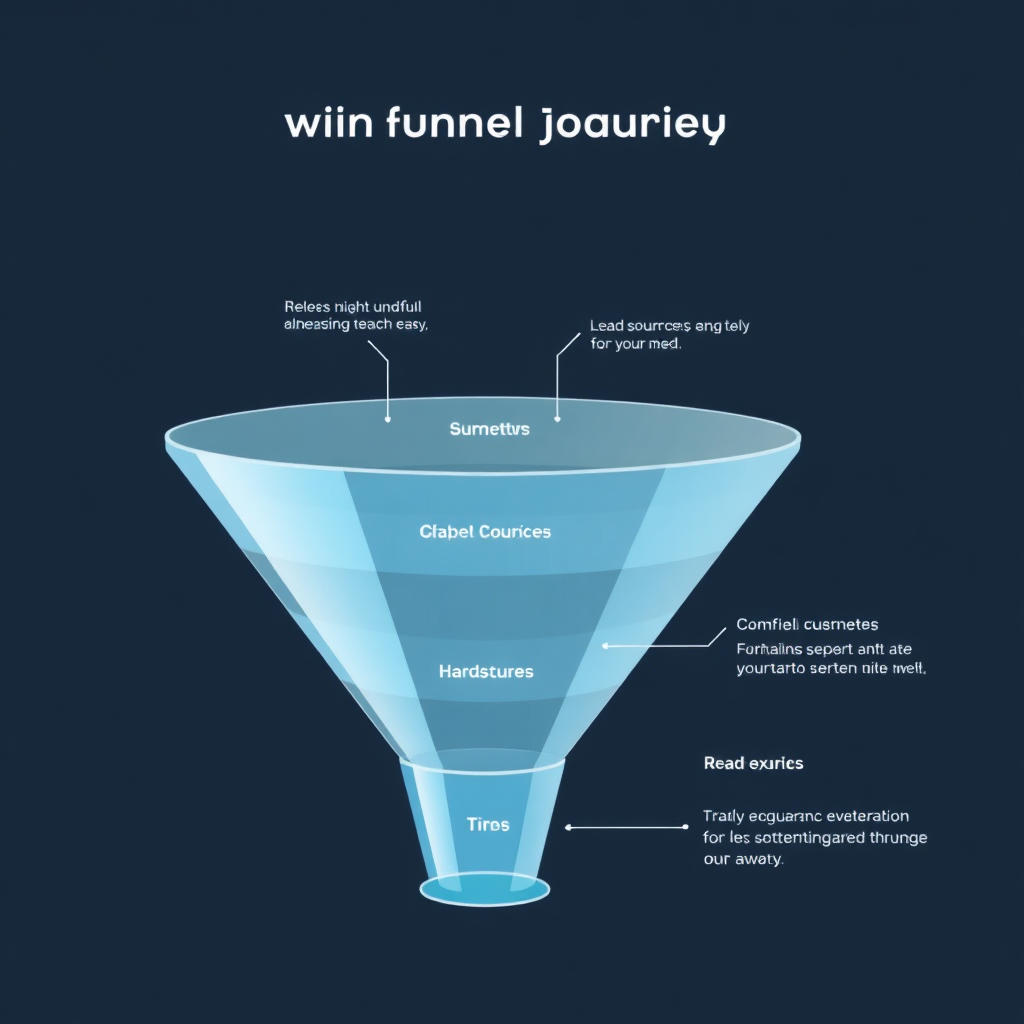
STEP 2 — Lead Generation and Marketing Review
Examine how the business currently attracts new customers.
- Lead sources
- Marketing channels
- Advertising performance
- Referral systems
The purpose is to determine whether lead generation is predictable and measurable.
STEP 3 — Sales and Customer Conversion
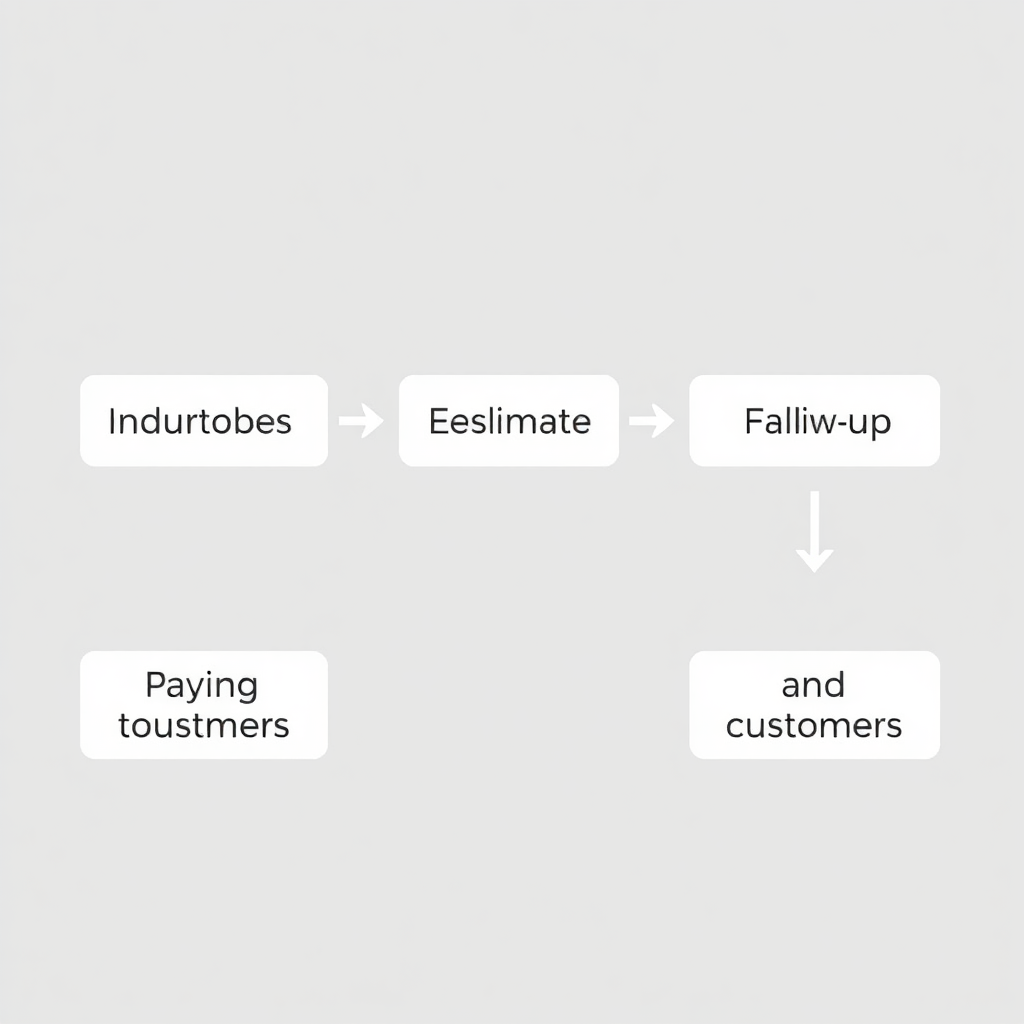
Evaluate how inquiries become paying customers.
- How estimates are created
- Close rates on estimates
- Follow up processes
- Customer acquisition costs
Understanding this process reveals opportunities to improve revenue from existing leads.
STEP 4 — Pricing and Profitability Review
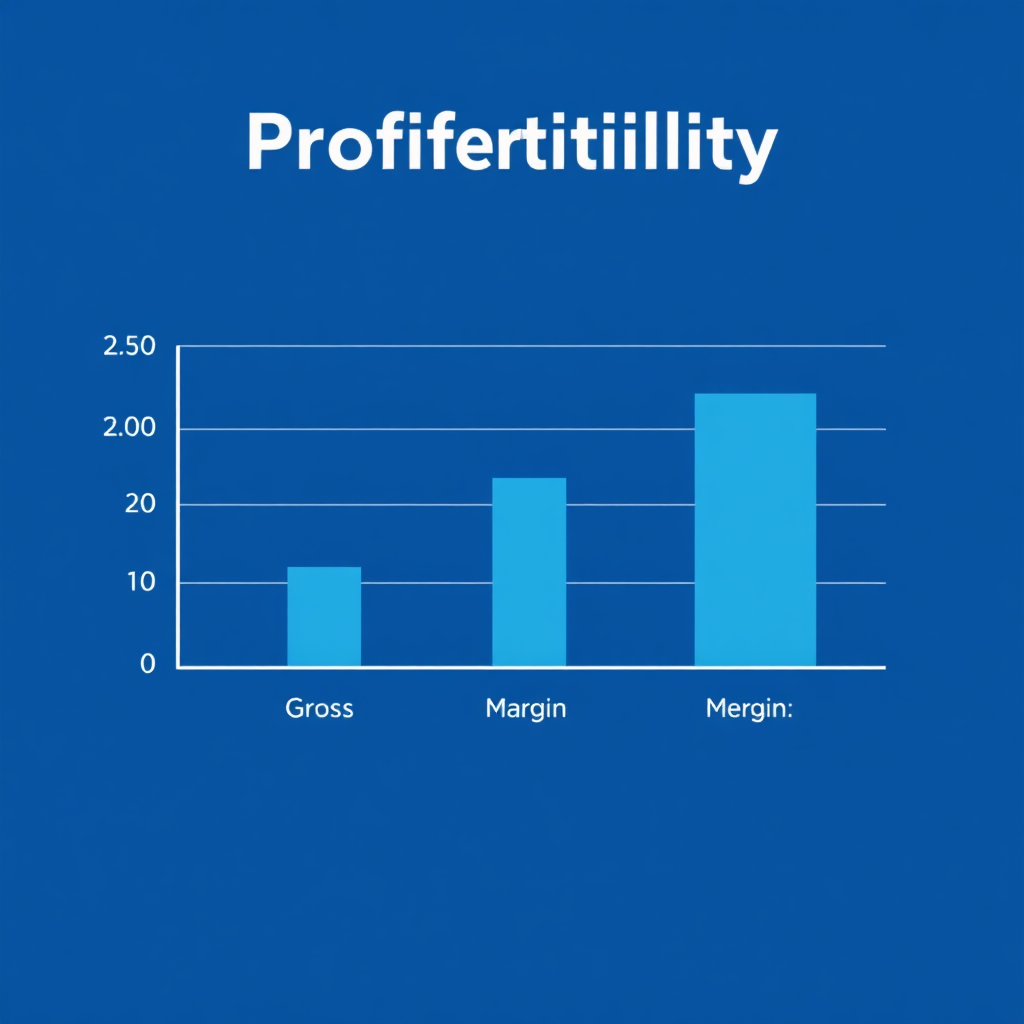
Examine how pricing is determined and whether it supports healthy margins.
- Labor costs
- Material costs
- Overhead expenses
- Pricing models
The goal is to identify whether pricing reflects the true cost of delivering services.
STEP 5 — Operations and Scheduling
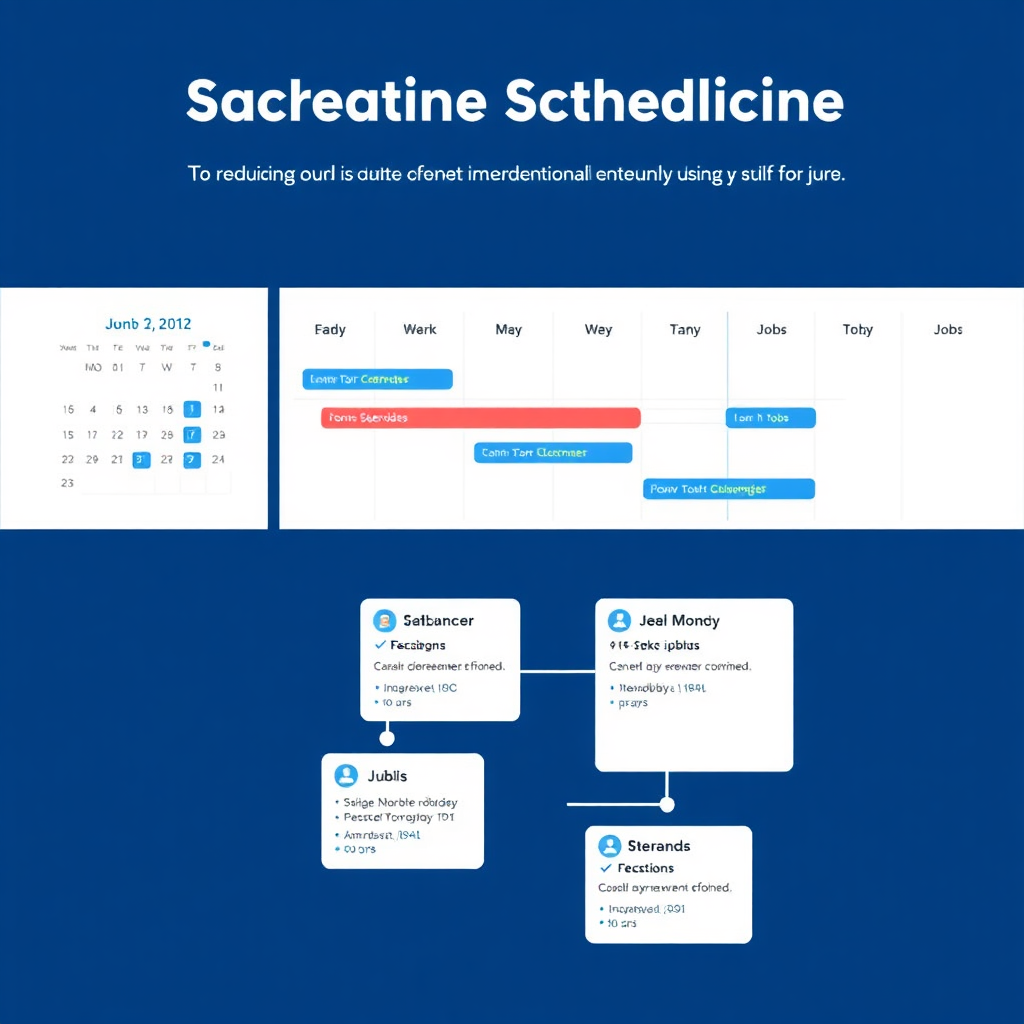
Review how work is scheduled and completed.
- Job scheduling systems
- Crew efficiency
- Travel time between jobs
- Operational bottlenecks
Improving these systems often increases productivity without increasing staff.
STEP 6 — Hiring and Team Stability
Examine hiring and retention challenges.
- Recruitment methods
- Training processes
- Technician turnover
- Team workload
Stable teams improve efficiency and customer satisfaction.

STEP 7 — Performance Metrics and Tracking
Evaluate whether the business tracks important operational data.
- Lead cost
- Customer acquisition cost
- Close rate
- Job profitability
- Technician productivity
Tracking these numbers helps identify where improvement is needed.

STEP 8 — Identify Key Business Constraints
At the end of the review the most important operational challenges are identified.
- Limit growth
- Reduce margins
- Create unnecessary stress for the owner
Understanding these constraints helps determine the next steps for improvement.
Summary
Many service businesses experience several operational issues at the same time. The Diagnostic Business Review helps identify where the biggest opportunities for improvement exist. This allows owners to focus on solving the problems that have the greatest impact.
Schedule Your Diagnostic Business Review
A structured review of your business operations to identify growth and profitability opportunities.